Back to Support
Plant Care Guide
Plant Care Guides
Expert advice and step-by-step guides to help your plants thrive. From beginners to advanced gardeners, find everything you need to know.
Showing 6 guides
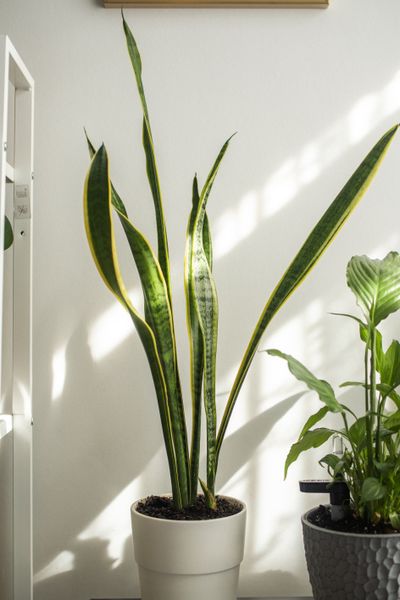
Beginner5 min read
Complete Watering Guide for Indoor Plants
Learn the proper watering techniques to keep your indoor plants healthy and thriving.
Read Full Guide
Proper watering is crucial for plant health. Here's everything you need to know:
**Signs Your Plant Needs Water:**
- Soil feels dry 1-2 inches below surface
- Leaves appear slightly wilted
- Pot feels lighter than usual
**Watering Techniques:**
1. Water slowly and evenly
2. Water until it drains from bottom holes
3. Empty drainage tray after 30 minutes
**Common Mistakes:**
- Overwatering (most common cause of plant death)
- Watering on a strict schedule instead of checking soil
- Using cold water directly from tap
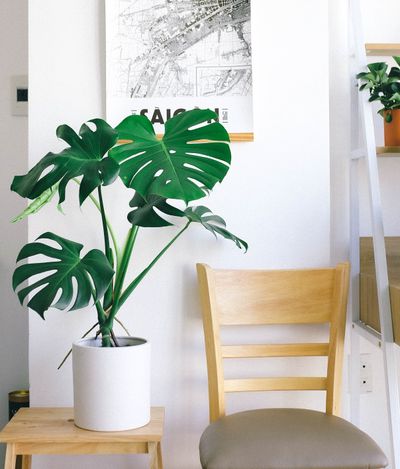
Intermediate7 min read
Understanding Light Requirements for Different Plants
Master the art of providing the right amount of light for your plants.
Read Full Guide
Light is essential for photosynthesis. Different plants have varying light needs:
**Light Categories:**
- **Bright Direct Light:** South-facing windows, 6+ hours direct sun
- **Bright Indirect Light:** Near windows but not direct sun
- **Medium Light:** East or west-facing windows
- **Low Light:** North-facing windows or interior spaces
**Signs of Light Issues:**
- Too much light: Scorched, brown leaves
- Too little light: Leggy growth, pale leaves
**Solutions:**
- Use grow lights for insufficient natural light
- Rotate plants weekly for even growth
- Move plants seasonally as sun patterns change
Intermediate6 min read
Pruning Techniques for Healthy Plant Growth
Learn when and how to prune your plants for optimal health and appearance.
Read Full Guide
Pruning promotes healthy growth and maintains plant shape:
**When to Prune:**
- Remove dead, diseased, or damaged parts immediately
- Shape pruning: during growing season (spring/summer)
- Maintenance pruning: year-round as needed
**Tools Needed:**
- Clean, sharp scissors or pruning shears
- Rubbing alcohol for sterilization
**Techniques:**
1. Cut just above a node or leaf joint
2. Make clean cuts at 45-degree angle
3. Remove no more than 25% of plant at once
**Benefits:**
- Encourages new growth
- Improves air circulation
- Maintains desired size and shape
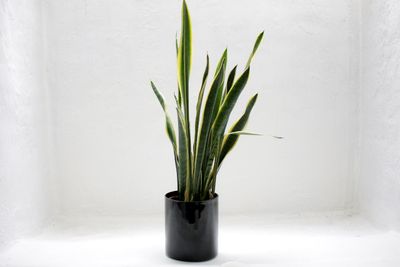
Advanced10 min read
Common Plant Pests and Natural Solutions
Identify and treat common plant pests using natural, safe methods.
Read Full Guide
Early detection and natural treatment of pests keeps plants healthy:
**Common Pests:**
- **Aphids:** Small, soft-bodied insects on new growth
- **Spider Mites:** Tiny webs and stippled leaves
- **Mealybugs:** White, cotton-like clusters
- **Scale:** Brown or white bumps on stems/leaves
**Natural Treatments:**
1. **Neem Oil:** Effective against most pests
2. **Insecticidal Soap:** Gentle but effective
3. **Rubbing Alcohol:** For spot treatment
4. **Beneficial Insects:** Ladybugs, lacewings
**Prevention:**
- Quarantine new plants for 2 weeks
- Regular inspection during watering
- Maintain proper humidity and air circulation
- Clean leaves regularly
Beginner8 min read
Seasonal Plant Care Calendar
Adapt your plant care routine to the changing seasons for year-round success.
Read Full Guide
Plants have different needs throughout the year:
**Spring (March-May):**
- Increase watering frequency
- Begin fertilizing
- Repot if needed
- Start new propagations
**Summer (June-August):**
- Water more frequently
- Provide shade from intense sun
- Monitor for pests
- Harvest herbs regularly
**Monsoon (July-September):**
- Reduce watering frequency
- Ensure good drainage
- Watch for fungal issues
- Move plants to covered areas
**Winter (October-February):**
- Reduce watering significantly
- Stop fertilizing
- Provide extra humidity
- Protect from cold drafts
Intermediate6 min read
Temperature and Humidity Control for Indoor Plants
Create the perfect environment for your plants with proper temperature and humidity management.
Read Full Guide
Most houseplants thrive in specific temperature and humidity ranges:
**Ideal Conditions:**
- Temperature: 65-75°F (18-24°C) during day
- Night temperature: 5-10°F cooler
- Humidity: 40-60% for most plants
**Increasing Humidity:**
1. Group plants together
2. Use humidity trays with pebbles
3. Run a humidifier
4. Mist air around plants (not leaves)
**Temperature Tips:**
- Keep plants away from heating/cooling vents
- Avoid placing near windows in extreme weather
- Use thermal curtains to moderate temperature
- Monitor with a thermometer/hygrometer
**Signs of Problems:**
- Brown leaf tips: Low humidity
- Dropping leaves: Temperature stress
- Slow growth: Too cold
- Wilting despite moist soil: Too hot
Need Personalized Help?
Our plant experts are available to provide personalized care advice for your specific plants and conditions.